
Oklahoma Grow Bonds Explained: Why Abandoned Grow Sites May Not Be Covered
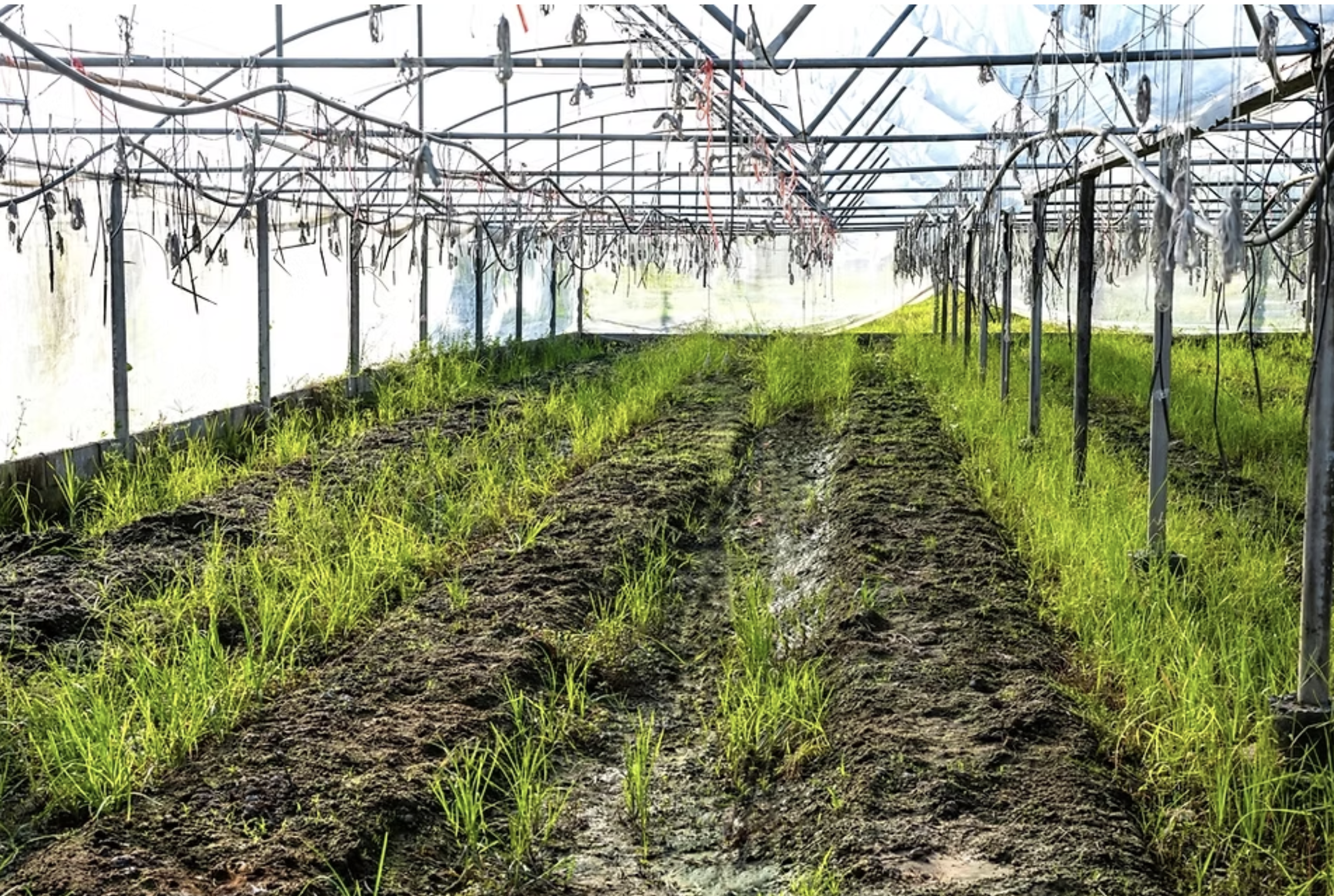
Oklahoma’s grow bonds aren’t paying out because they were never built to.
That may sound strange considering Oklahoma requires commercial marijuana growers to post a $50,000 surety bond, and lawmakers intended those bonds to help address one of the state’s growing problems: abandoned cultivation sites left behind with equipment, waste, contaminated soil and other environmental hazards.
So why isn’t that $50,000 showing up when an abandoned grow needs to be cleaned up?
The answer is that a surety bond is not a $50,000 cleanup fund. It is a promise with conditions. And the conditions attached to Oklahoma’s commercial grow bonds create several significant obstacles to actually collecting on them.
With abandoned grows becoming a real problem across rural Oklahoma, lawmakers are asking a fair question: if the state required a $50,000 bond for every commercial grow, why isn’t that money being used to clean up these sites?
Right now, the answer is that much of that money never existed in the first place. Currently, these bonds are mostly a sheet of paper with a signature on it.
What the Law Requires
Senate Bill 913, signed into law in April 2023, requires commercial growers to file a surety bond of at least $50,000 per license with the Oklahoma Medical Marijuana Authority (OMMA), unless the grower qualifies for land ownership exemptions. OMMA can also require a larger bond when it determines that additional funds may be necessary for reclamation.
The idea behind the requirement was straightforward.
If a grower abandons a property or loses its license, the bond is supposed to provide a source of money for removing equipment, disposing of waste and addressing environmental damage, including soil remediation. The broader goal is to prevent abandoned marijuana operations from becoming an eventual burden on Oklahoma taxpayers and to preserve the future agricultural use of the property.
That pitch treated the bond like a $50,000 deposit sitting in a state account. It isn't. A surety bond is a three-party guarantee. The grower is the principal, OMMA is the obligee and the surety company provides the guarantee. The grower pays the surety company a premium to issue the bond. The surety agrees to pay valid claims covered by the bond, up to the bond's stated limit.
That distinction matters because the surety company is not ultimately agreeing to absorb the grower's cleanup costs.
If the surety pays a valid claim, it can generally seek reimbursement from the grower under the indemnity agreement signed when the bond was issued. Depending on who signed that agreement, that obligation can extend beyond the business itself to other indemnitors, including spouses, landowners or family members.
In other words, the $50,000 isn't sitting in an account waiting for an abandoned grow to be cleaned up. It is a conditional obligation. No money is set aside anywhere until a claim is proven.
And that creates the first major problem.
4 reasons the Bonds Aren’t Paying Out
There may absolutely be abandoned grow sites where a bond should respond. The problem is that Oklahoma's current system leaves enough unanswered questions that a surety has several potential grounds to challenge or deny a claim.
From the surety's perspective, the question isn't simply, "Did this grower abandon the property?" The question is whether the claimant can establish a covered loss under the terms of the bond and applicable law.
That distinction becomes important when there is no clear standard for what constitutes a compensable environmental loss, who determines the loss and when the claim must be made.
1. There Is No Clear Definition of the Damage
What exactly qualifies as "pollution" or environmental damage under the bond?
What does a properly restored cultivation site look like?
What must be removed? What must be tested? How much contamination is enough to trigger a cleanup obligation? Who determines when the property has been restored?
Those questions aren't minor details.
A surety pays a proven obligation against a defined standard. The more subjective the standard, the more room there is for disagreement over whether a claim is actually payable.
Imagine two abandoned grows with similar contamination.
If there is no objective checklist establishing what must be removed, what soil testing must be performed and what remediation is required, the state and the surety may have very different ideas about what constitutes a $50,000 loss.
That turns what should be a straightforward cleanup process into a dispute over the scope of the obligation.
2. The Agency Holding the Bond Isn't the Environmental Agency
The Oklahoma Medical Marijuana Authority regulates and licenses marijuana businesses.
The Oklahoma Department of Environmental Quality (DEQ), on the other hand, has the environmental expertise and regulatory framework necessary to evaluate contamination and environmental remediation.
But the OMMA bond form names OMMA as the party that can make a claim against the bond. That creates a disconnect.
The agency holding the bond is not the agency best equipped to determine whether a site is contaminated, how serious the contamination is or what remediation is necessary.
In other words, the agency with the environmental expertise does not have the same direct claim to the bond. If Oklahoma wants these bonds to function as an environmental cleanup mechanism, the state needs to answer a basic question: Who gets to determine that there is a compensable environmental loss, and what that loss is worth?
3. The Bond Can Disappear Before Anyone Needs It
Another problem is timing.
The surety can cancel the bond with 30 days' notice, and claims are barred more than a year after cancellation. That creates a practical problem for abandoned properties.
A grower who intends to walk away from a business has little incentive to keep paying premiums indefinitely. If the bond is cancelled and the state does not identify the problem within the applicable claim period, the bond may no longer be available when the abandoned property is finally discovered.
The state could therefore have a situation where everyone followed the paperwork requirements at one point in time, but there is no longer an active source of money when the cleanup actually becomes necessary.
That is a serious weakness for a system designed around abandonment.
4. Some of the Worst Sites May Have No Bond at All
Unlicensed illicit grows don’t do compliance paperwork, submit applications or carry surety bonds.
Certain landowners who have owned their property for at least five years can also qualify for an exemption from the bonding requirement. That means an operation can potentially be established on long-held property and later abandoned without any financial security behind it.
A Bond Is Not the Same Thing as Cleanup Insurance
This is ultimately the biggest misunderstanding surrounding the current system. A bond is designed primarily to guarantee performance. Insurance is designed to transfer the risk of covered losses.
With a surety bond, the surety expects to be reimbursed if it has to pay. The grower remains financially responsible for the obligation. With an insurance policy specifically designed to cover pollution or environmental liability, the insurer is taking on a defined risk in exchange for a premium, subject to the terms, exclusions and limits of the policy.
If the state's objective is to make sure money is available when an abandoned grow leaves behind environmental damage, an insurance mechanism may be better suited to that objective than a traditional surety bond.
It would not eliminate every problem. Insurance would cost growers more, and insurers would likely scrutinize the property, operation and environmental risks before providing coverage.
But the financial product would be designed around the risk lawmakers are actually trying to address.
4 things Oklahoma Could Do Instead
There are several realistic ways Oklahoma could improve the system.
1. Pollution Liability Insurance
The state could require a pollution liability policy that specifically covers defined cleanup costs associated with abandoned cultivation sites. This is the option that most directly addresses the underlying problem: ensuring there is an actual source of funds for covered environmental losses.
The downside is cost.
Insurance would likely be more expensive than a basic surety bond, and carriers would have an incentive to underwrite individual operations and properties carefully before providing coverage.
But that underwriting is also part of the point. The risk would be evaluated before the operation fails rather than after an abandoned property has already become a problem.
2. Clear Restoration Standards
Oklahoma could establish detailed standards defining what an abandoned grow must be restored to.
Those standards could establish what must be removed, what environmental testing must occur, what constitutes contamination and what remediation is required before a property is considered restored.
That would give the bond a measurable trigger.
Instead of asking whether a site is "polluted" in some undefined sense, regulators could point to objective requirements and determine whether the grower satisfied them.
3. A Revolving Cleanup Fund
Another option would be a dedicated cleanup fund financed through licensing fees. Unlike a surety bond, the money would actually exist in an account.
If a grow were abandoned, the state could use the fund to address the cleanup and pursue the responsible parties afterward. On paper, this may be the cleanest solution.
The problem is regulatory.
A system like this could require DEQ to become substantially more involved in the marijuana industry, potentially creating another layer of regulation.
4. Tighter Bond Terms
Oklahoma could also improve the existing system without abandoning bonds altogether.
Longer claim windows, advance notice to the state before cancellation, tighter requirements around replacement coverage and reconsideration of the ownership exemption could close some of the largest gaps.
But these changes would not solve the fundamental problem. A bond would still be a promise rather than cash, and the amount available would still be limited by the bond's terms.
If lawmakers have to choose one solution, pollution liability insurance makes the most sense. The original goal was reasonable: Oklahoma should not be left paying to clean up abandoned commercial grows.
But the financial mechanism has to match that goal.
A pollution liability policy is designed around the opposite problem. The insured pays a premium in exchange for protection against defined environmental risks. Oklahoma already requires this insurance of waste companies.
Insurance is built to pay covered losses. A bond is built to guarantee performance, and the surety expects to be repaid by the grower, who is usually long gone
A revolving cleanup fund may be even more straightforward financially, but it could bring DEQ much further into direct regulation of the marijuana industry. That creates a tradeoff Oklahoma growers do not want.
The state could start by making the existing system more predictable.
3 considerations for Oklahoma Lawmakers
The goal behind Oklahoma's grow-bond requirement was right: abandoned grows should not become a taxpayer-funded cleanup project.
The tool, however, has significant weaknesses.
At minimum, lawmakers should:
Establish a clear, published standard for abandoned-site restoration. Define what must be removed, tested and remediated before a site is considered restored.
Require notice before a bond or replacement policy lapses. The state should know when financial protection is about to disappear rather than discovering the lapse after an abandoned property becomes a problem.
Consider replacing or supplementing the bond requirement with pollution liability insurance. If lawmakers want a mechanism that actually transfers environmental risk, they should use a financial product designed to do that.
Until then, Oklahoma can continue requiring growers to post these bonds. They just shouldn't expect them to do what they were promised to do.
If Oklahoma wants abandoned grows cleaned up without sending the bill to taxpayers, the state needs to build a system designed around that outcome from the beginning.
As long as Oklahoma requires bonds or insurance of any kind for medical marijuana growers, we can help you acquire one and remain in compliance. If you need a grow bond or have questions about your coverage, contact us today.