
LAST CALL? FEDERAL LAW PUTS CANNABIS-DERIVED BEVERAGES ON THE CLOCK
Written by Rachel O. Klubeck
Current as of October 22, 2026
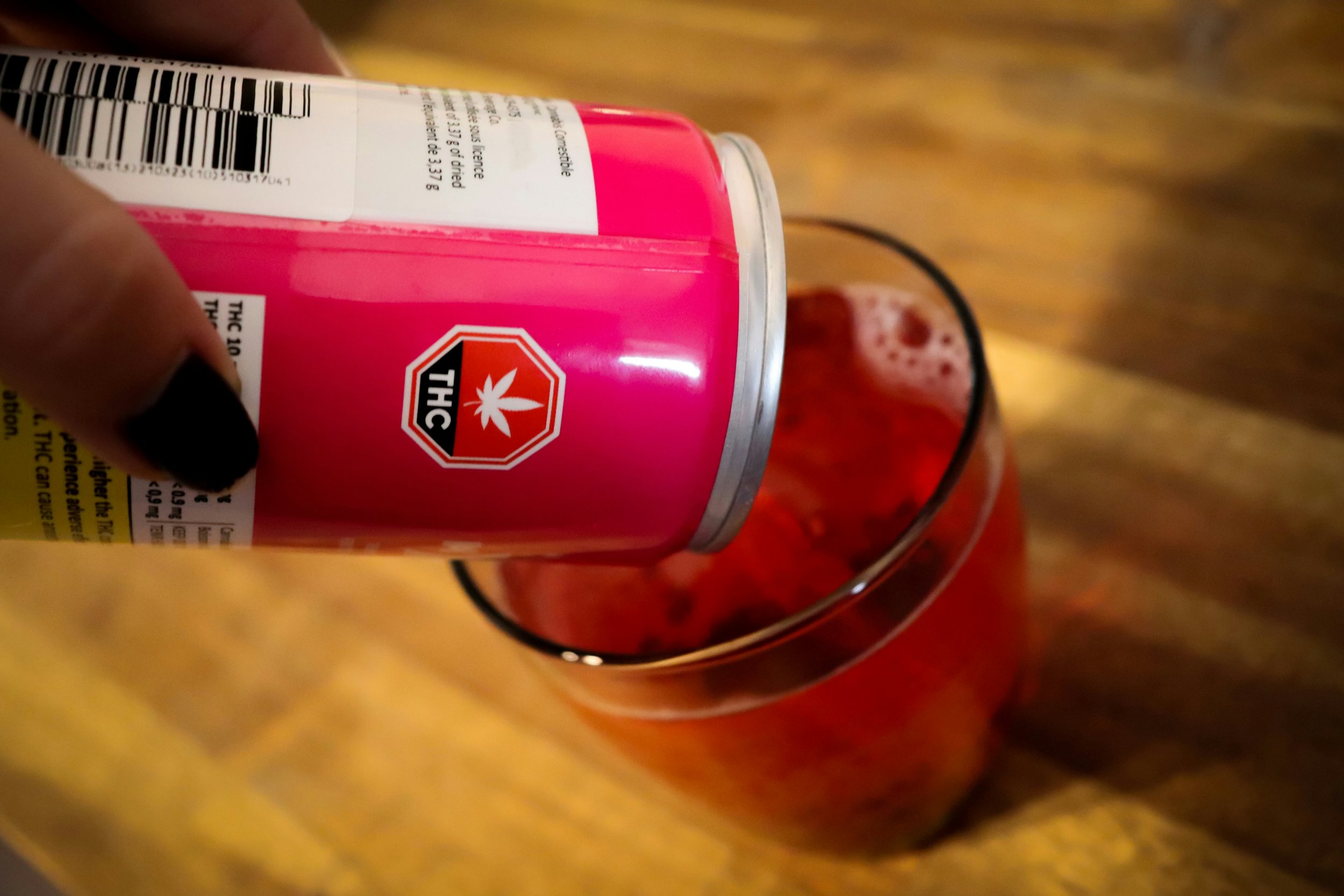
Hemp-derived THC beverages have become increasingly common in convenience stores, grocery stores, gas stations, and other retail establishments across the country. Marketed as federally legal alternatives to alcohol and traditional marijuana products, these beverages have developed into a substantial segment of the hemp industry. However, recent changes to federal law threaten the continued legality of many of these products, raising significant compliance concerns for manufacturers, distributors, and retailers.
The 2018 Farm Bill and the Hemp Beverage Market
The Agriculture Improvement Act of 2018, commonly known as the 2018 Farm Bill, removed hemp from the federal definition of marijuana under the Controlled Substances Act ("CSA"). Under that legislation, hemp was defined as Cannabis sativa L. and its derivatives containing no more than 0.3% delta-9 tetrahydrocannabinol ("THC") on a dry-weight basis. See 7 U.S.C. § 1639o.
This definition created a distinction between marijuana, which remained federally controlled, and hemp, which could be lawfully cultivated and distributed subject to applicable federal and state requirements. Importantly, the statutory definition focused on delta-9 THC concentration by dry weight rather than the total quantity of intoxicating cannabinoids contained in a finished consumer product.
For hemp-derived beverages, this distinction proved particularly significant. Because beverages contain substantial amounts of water, products containing intoxicating quantities of THC could potentially satisfy the 0.3% dry-weight threshold. Consequently, manufacturers began producing beverages containing 2, 5, 10, or more milligrams of THC per container while marketing those products as federally compliant hemp.
However, compliance with the federal definition of hemp has never automatically exempted these products from other applicable federal requirements, including those administered by the U.S. Food and Drug Administration, or from more restrictive state laws.
Congress Narrows the Federal Definition of Hemp
In November 2025, Congress enacted legislation substantially restricting the federal definition of hemp, directly affecting intoxicating hemp-derived consumer products.
The revised framework moves beyond the traditional 0.3% delta-9 THC dry-weight standard by imposing additional limitations on finished hemp-derived cannabinoid products. Most notably, products containing more than 0.4 milligrams of total THC per container will be excluded from the federal definition of hemp.
The legislation also expands the relevant THC analysis to account for additional cannabinoids, including tetrahydrocannabinolic acid ("THCA"), rather than focusing exclusively on delta-9 THC concentration.
For the beverage industry, the practical consequences are substantial. A single beverage containing 5 or 10 milligrams of THC would exceed the new federal threshold regardless of whether the product previously satisfied the 2018 Farm Bill's dry-weight definition.
The revised restrictions are currently scheduled to take effect December 11, 2026, subject to any further congressional action.
Legal Consequences for Manufacturers, Distributors, and Retailers
The significance of the revised definition extends beyond labeling or product formulation. Hemp's exclusion from the federal definition of marijuana depends upon satisfying the applicable statutory requirements. Once a product falls outside the revised hemp definition, its manufacture, distribution, and possession may implicate the CSA and other federal controlled-substance requirements.
This creates potential exposure throughout the supply chain, including for businesses that do not cultivate cannabis or manufacture THC products themselves.
Retailers should be particularly cautious about relying exclusively on supplier representations that a beverage is "hemp-derived," "Farm Bill compliant," or otherwise federally legal. Those descriptions do not independently establish compliance with the revised statutory definition.
Likewise, a certificate of analysis demonstrating compliance with the former 0.3% delta-9 THC dry-weight standard may be insufficient to establish compliance with the new federal requirements. Businesses will need to evaluate cannabinoid concentrations, total THC content, container sizes, and applicable testing methodologies under the revised statutory framework.
Importantly, state authorization to sell hemp-derived THC beverages does not independently establish federal legality. Although states retain authority to regulate hemp and marijuana products within their jurisdictions, state law cannot exempt a product from the federal CSA.
What Will Enforcement Look Like?
Because hemp-derived products exceeding the revised federal THC limits will no longer qualify for the hemp exclusion under the Controlled Substances Act ("CSA"), businesses manufacturing, distributing, or selling those products could face federal enforcement. Potential consequences include product seizures, forfeiture, criminal investigations, and prosecution for unlawful manufacture or distribution of controlled substances. Federal agencies, including the Drug Enforcement Administration ("DEA"), may exercise enforcement authority over products that fall within the CSA's definition of marijuana.
However, the legislation does not establish a separate enforcement program specifically targeting THC beverages, and the extent to which federal authorities will prioritize convenience stores, distributors, or manufacturers remains uncertain. State and local enforcement will also depend on applicable state law, which may impose independent licensing restrictions, product prohibitions, and administrative penalties.
Importantly, the absence of immediate enforcement does not establish legality. Businesses should not interpret continued retail availability or historically limited federal enforcement as protection against future regulatory or criminal exposure.
What Happens Next?
The federal restrictions have generated significant opposition from portions of the hemp industry, particularly manufacturers and retailers that have invested in intoxicating hemp-derived consumer products. Proposed legislative alternatives include delaying implementation and establishing a comprehensive regulatory framework addressing potency limits, age restrictions, testing, labeling, and distribution.
Nevertheless, proposals to amend or delay the restrictions have no legal effect unless enacted into law. Businesses currently manufacturing, distributing, or selling hemp-derived THC beverages should therefore evaluate their existing products and commercial arrangements in anticipation of the effective date rather than assuming that the current regulatory environment will continue.
Conclusion
The widespread availability of hemp-derived THC beverages has created a perception that these products are categorically lawful under federal law. That assumption has always been an oversimplification, and the revised federal hemp definition makes the distinction even more consequential.
For businesses operating in this market, the relevant question is no longer simply whether a beverage contains less than 0.3% delta-9 THC by dry weight. The question is whether the finished product satisfies the federal definition of hemp under the law applicable at the time of manufacture, distribution, or sale.
A product's presence on a grocery or convenience store shelf is not evidence of federal compliance. As the new restrictions approach, manufacturers, distributors, and retailers should carefully reassess the legal status of their hemp-derived THC beverage products and the potential consequences of continued distribution.
Gies Law Firm PLLC represents cannabis and hemp businesses in regulatory compliance, licensing, and matters involving state and federal controlled-substance laws.